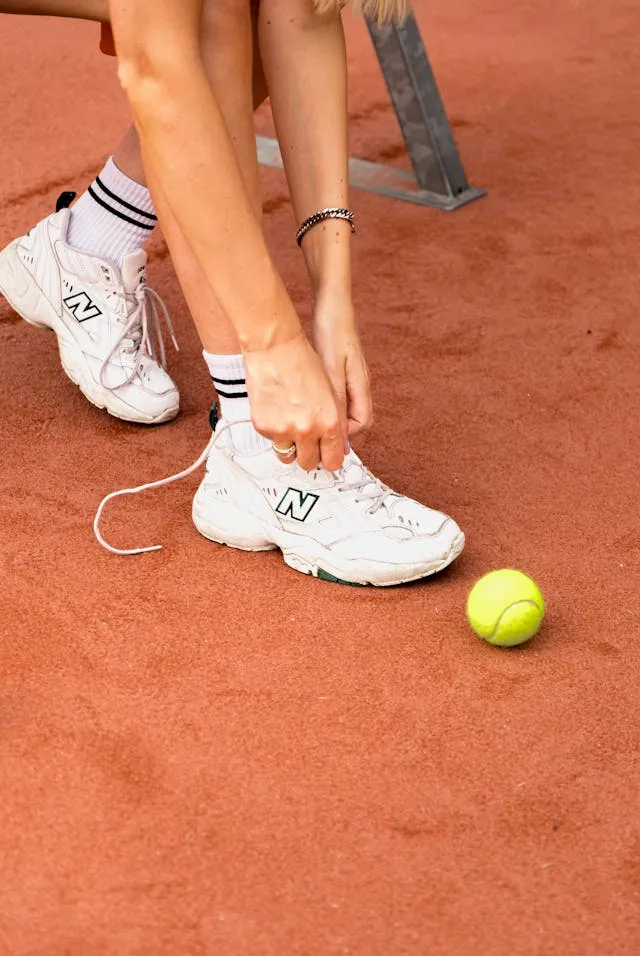
White tennis shoes look great for about a week. Then the rubber edges start yellowing, the fabric picks up scuff marks, and that one grass stain from three weeks ago has officially set in. Most people either tolerate the grime or throw the shoes in the washing machine and hope for the best.
The washing machine works sometimes. It also warps soles, shrinks mesh, breaks down adhesive, and leaves shoes with that faint mildewy smell that never fully goes away. A proper deep clean takes maybe 30 minutes and gets better results without the risk.
Here’s exactly how to do it, material by material, stain by stain.
What You’ll Need
Most of this is already in your house:
- Dish soap (Dawn or similar) — cuts through surface grime and oil without being harsh on fabric
- Baking soda — mild abrasive, lifts stains, neutralizes odor
- White vinegar — breaks down yellowing and salt stains, safe on most materials
- Hydrogen peroxide (3%) — the secret weapon for getting white fabric actually white again; available at any pharmacy for under a dollar
- An old toothbrush — for scrubbing seams, eyelets, and textured soles
- A soft-bristle brush or nail brush — for the uppers
- Clean white cloths — white so no dye transfers onto the shoe
- Small bowls for mixing
- Magic Eraser (melamine foam) — works extremely well on rubber soles and toe caps
- Newspaper or paper towels — for stuffing shoes during drying
Optional but useful: a suede brush if any part of the shoe is suede, and a shoe protector spray for after cleaning.
Before You Start: Know Your Material
White tennis shoes aren’t all made the same, and the wrong cleaning method on the wrong material will cause more damage than the original dirt.
Canvas (like Converse or Vans): The most forgiving. Handles water, scrubbing, and baking soda paste without issue. Can usually be machine washed on gentle if hand washing isn’t getting the job done, though it’s still not ideal.
Leather and synthetic leather: Doesn’t like being soaked. Clean with a damp cloth and mild soap only — no baking soda paste, no prolonged water exposure. Follow with a leather conditioner to prevent cracking.
Mesh and knit: Delicate. Use gentle circular scrubbing and avoid stiff brushes that snag or fray the fibers. No prolonged soaking.
Rubber soles and toe caps: Can handle more aggressive scrubbing. This is where the Magic Eraser earns its reputation.
Most white tennis shoes are a combination — fabric or mesh upper, rubber sole, possibly a leather or synthetic overlay. Treat each part according to its material.
Step-by-Step: How to Deep Clean White Tennis Shoes
Step 1: Remove laces and insoles. Pull the laces out completely — they’ll get in the way and need separate cleaning anyway. Set the insoles aside too. Both hold more grime and odor than most people realize, and cleaning the shoe with them still in means you’re working around the dirtiest parts.
Step 2: Knock off loose dirt. Bang the soles together outside or over a trash can to dislodge dried mud and debris. Use a dry toothbrush to sweep away loose surface dirt before you introduce any water. Scrubbing wet dirt just spreads it further into the material.
Step 3: Mix your cleaning solution. For most uppers: a paste of 1 tablespoon baking soda, 1 tablespoon dish soap, and 1 tablespoon hydrogen peroxide. Mix in a small bowl until it becomes a thick paste. This combination handles yellowing, stains, and general grime better than any of the three ingredients alone.
For leather or synthetic leather uppers: skip the paste and use a few drops of dish soap in warm water with a damp cloth only.
Step 4: Apply the paste to the uppers and scrub. Using your soft-bristle brush or toothbrush, apply the paste to the fabric in small circular motions. Work section by section rather than coating the whole shoe at once. Apply more pressure on stained areas and lighter pressure on general grime. For mesh, keep the circular motion gentle and avoid back-and-forth scrubbing which can fray the fibers.
Pay attention to the seams where the fabric meets the sole — dirt accumulates there and most people miss it. The toothbrush tip is perfect for getting into these tight spots.
Step 5: Let the paste sit for 10–15 minutes. This is worth doing. The hydrogen peroxide needs a few minutes to work on discoloration, and the baking soda needs time to lift stains. Don’t let it dry completely on the shoe — if it starts to dry, add a few drops of water.
Step 6: Scrub the rubber soles and toe caps with a Magic Eraser. Dampen the Magic Eraser and scrub the rubber midsole, outsole edges, and toe cap. Magic Erasers work through a fine abrasive action and remove scuff marks, yellowing, and ground-in dirt from rubber surfaces better than any paste or spray. Use firm pressure and you’ll see immediate results.
For the textured outsole (the bottom tread), use the toothbrush with a bit of dish soap. Get into the grooves — they collect more dirt than any other part of the shoe and most people ignore them.
Step 7: Wipe away the paste with a clean damp cloth. Use a white cloth dampened with plain water to wipe away the cleaning paste. Go over each section a few times to remove all residue — dried baking soda leaves a slightly chalky film if you don’t get it all off.
Step 8: Tackle any remaining stains directly. Grass stains: apply undiluted white vinegar, let sit for 5 minutes, scrub with the toothbrush. Scuff marks on fabric: dab hydrogen peroxide directly on the mark with a cotton swab, let it sit, then wipe away. Yellow staining on white fabric: apply the baking soda + hydrogen peroxide paste again specifically to those areas and let sit for 20 minutes before wiping. Mud (dried): it should have come off in the earlier steps, but for anything remaining, use the paste and more scrubbing time.
Step 9: Clean the laces. Drop the laces in a small bowl of warm water with a squirt of dish soap and a tablespoon of baking soda. Let them soak for 10 minutes, then rub them between your fingers or scrub with the toothbrush. Rinse until the water runs clear. If they’re still dingy after this, soak them in a diluted solution of 1 part hydrogen peroxide to 3 parts water for 30 minutes, then rinse.
Severely yellowed or stained laces are often not worth the effort — a new pair of white laces costs about a dollar and makes a bigger visual difference than anything else you can do.
Step 10: Clean the insoles. Sprinkle baking soda over the insoles and let it sit for at least 30 minutes (or overnight for odor). Brush it off, then wipe with a cloth dampened with diluted white vinegar. Let them air dry completely before putting them back — damp insoles are how shoes develop persistent odor.
Step 11: Stuff and air dry. Stuff the shoes firmly with newspaper or paper towels to hold their shape and absorb moisture from the inside. Set them in a well-ventilated area at room temperature, away from direct sunlight and away from any heat source.
Direct sunlight is the main thing to avoid here — UV exposure yellows white rubber and fabric faster than almost anything else. Dry in the shade or indoors with good airflow.
Allow at least 8 hours, or overnight. Don’t wear them until they’re completely dry inside — wearing damp shoes compresses the cushioning before it’s fully dried and they’ll smell within a few days.
Stop Doing This to White Tennis Shoes
Putting them in the dryer. The heat softens the adhesive holding the sole together, causes rubber to warp, and can shrink fabric. Even on low heat, repeat dryer exposure shortens the life of the shoe significantly.
Using bleach directly on the fabric. This seems like the obvious solution for white shoes and it does work short-term. The problem is that bleach reacts with the optical brighteners in white fabric over time and causes a yellow tint that’s very hard to reverse. If you use bleach at all, dilute it heavily (1 tablespoon per gallon of water) and only as a last resort on canvas.
Scrubbing too hard on mesh. Aggressive scrubbing frays the fibers and makes the shoe look worn and fuzzy even after it’s clean. Light circular pressure is enough.
Drying in the sun. UV light yellows white rubber and fabric. Almost every pair of white shoes that develops that dingy yellow-gray tint has been dried in sunlight repeatedly.
Storing them dirty. Dirt and grime that sit in fabric for weeks or months become exponentially harder to remove than fresh stains. A quick wipe-down after each wear takes 30 seconds and saves you a full cleaning session later.
Keeping White Shoes White Longer
Apply a water and stain repellent spray after every deep clean. Crep Protect, Jason Markk Repel, or Scotchgard Fabric & Upholstery all work well. Spray from 6 inches away in a light, even coat and let dry before wearing. It won’t make the shoes bulletproof but it makes future cleaning dramatically easier — dirt and liquids bead up instead of soaking in.
Rotate your shoes. Wearing the same pair every day means they never fully dry out between uses, which accelerates both odor and material breakdown.
Use a shoe bag when traveling. Throwing white shoes loose in a bag means they rub against everything and pick up dye and scuffs. A simple drawstring shoe bag prevents most of that.
Spot clean immediately. A fresh stain takes 30 seconds to address with a damp cloth. The same stain after it’s dried and set takes 20 minutes. The fastest way to keep white shoes clean is to not let things sit.
FAQ
Can I put white tennis shoes in the washing machine? Canvas shoes generally survive machine washing on a gentle cold cycle in a mesh laundry bag. Leather, mesh, and knit uppers are better cleaned by hand — the agitation is too rough for delicate materials. Never machine wash shoes with glued soles on hot — the heat softens the adhesive.
Why do my white shoes turn yellow after cleaning? Usually one of three causes: bleach residue that wasn’t fully rinsed out, drying in direct sunlight, or the hydrogen peroxide wasn’t fully rinsed and oxidized in UV light. For existing yellow tinting, a paste of baking soda and hydrogen peroxide applied and left for 20–30 minutes removes most of it.
How do I get the smell out of white tennis shoes? Baking soda in the insoles and inside the shoe overnight handles most odor. For persistent smell, stuff the shoes with activated charcoal shoe inserts overnight — they absorb odor better than anything else. Make sure the shoes are fully dry between wears; most persistent shoe odor comes from moisture, not just bacteria.
How often should I deep clean white tennis shoes? Every 2–4 weeks if you wear them regularly, plus a quick wipe-down after each wear. The less you let grime accumulate, the easier each cleaning session is.
Does the Magic Eraser work on fabric? Keep it off fabric uppers — it’s too abrasive for canvas and mesh and will damage the surface. Use it only on rubber soles, toe caps, and midsoles.
What’s the best way to clean white leather tennis shoes? Damp cloth with mild soap, gentle circular motion, then dry immediately with a clean cloth. Follow with a white leather conditioner to maintain the finish. Avoid soaking, avoid baking soda paste, and avoid prolonged water contact.
Wrapping Up
Deep cleaning white tennis shoes isn’t complicated — it’s just a matter of using the right products on the right materials and not skipping the drying step. The baking soda and hydrogen peroxide paste handles most stains and yellowing that dish soap alone won’t touch. The Magic Eraser handles the soles. Patience handles the rest. Do it every few weeks instead of waiting until the shoes are visibly wrecked and you’ll spend less time cleaning and keep them looking better longer.
Enjoyed this project? Get even more DIY ideas that save (and make) you money.
Join our free newsletter for profitable DIY projects, clever cleaning hacks, home ideas, and creative crafts delivered straight to your inbox.
✓ Free forever • No spam • Unsubscribe anytime