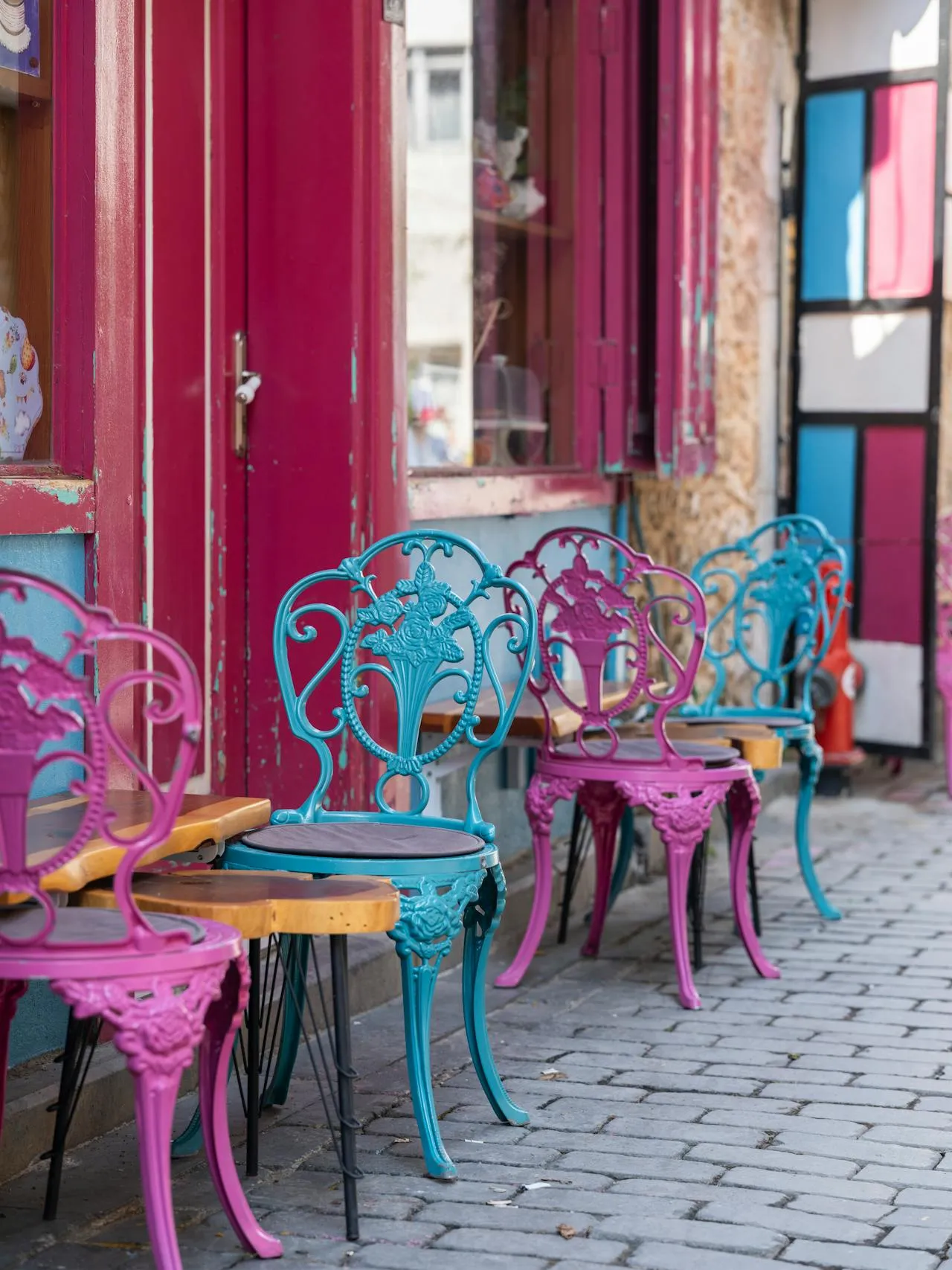
That wrought iron bistro set on your patio. The steel garden chairs that have been out through three winters. The aluminum table that used to gleam but now looks chalky and faded. Metal outdoor furniture takes an absolute beating from sun, rain, humidity, and temperature swings—and eventually, even the most durable pieces start showing their age.
The good news is that painting metal outdoor furniture is one of the most rewarding DIY projects you can take on. A single weekend of work can make a piece that looks destined for the skip look genuinely brand new. And unlike painting walls or cabinets, where imperfections are glaring, outdoor furniture has a texture and character that forgives minor imperfections beautifully.
But here’s where most people go wrong: they skip the preparation. They grab a can of spray paint, give the surface a quick wipe, and wonder why the paint is peeling and bubbling six weeks later. Painting metal outdoor furniture is almost entirely about what you do before the paint goes on. Get the prep right, and the painting itself is the easy part.
This guide walks you through the entire process from start to finish—prep, priming, painting, finishing, and long-term maintenance—so your results last for years rather than weeks.
Here’s the Real Reason Paint Peels Off Metal Outdoor Furniture
Understanding why paint fails on metal helps you avoid the mistakes that cause it. Metal surfaces present two specific challenges that wood and drywall don’t.
First, metal is non-porous. Paint doesn’t soak in and grip from below—it has to adhere purely to the surface. Any contamination on that surface—rust, grease, old flaking paint, oxidation, moisture, or even fingerprint oils—acts as a barrier between the new paint and the metal, preventing proper adhesion. The paint may look fine initially, but at the first sign of heat expansion or moisture, it lifts from the contaminated layer underneath.
Second, metal expands and contracts with temperature changes. On a hot summer day, a metal chair can reach surface temperatures well above the ambient air temperature. At night, it cools back down. This constant thermal cycling stresses the paint film, and paint that wasn’t specifically formulated for metal and outdoor conditions cracks, chips, and peels under that stress far faster than paint designed to flex with it.
The solution to both problems is thorough surface preparation and the right products—a primer that bonds to metal chemically rather than just sitting on top, and a topcoat formulated to withstand outdoor conditions.
What You’ll Need
For Preparation:
- Wire brush or wire wheel attachment for a drill
- Sandpaper (80-grit for heavy rust, 120-grit for general prep, 220-grit for finishing)
- Chemical rust remover or naval jelly (for heavy rust)
- Degreaser or mineral spirits
- Clean rags or lint-free cloths
- Painter’s tape (for masking any areas you don’t want painted)
- Drop cloth or old newspaper
- Safety glasses, gloves, and a dust mask
For Painting:
- Metal-specific primer (rust-inhibiting primer for ferrous metals like iron and steel; etching primer for aluminum)
- Metal paint formulated for outdoor use (oil-based or enamel for maximum durability; or direct-to-metal spray paint for intricate pieces)
- Paintbrushes (a 2-inch angled brush for detail work and tight areas; a foam roller for flat surfaces)
- Spray paint (optional—often the best choice for ornate or intricate furniture with lots of curves and detail)
- Clear sealant or topcoat (optional but recommended for maximum longevity)
You’re Probably Doing This Wrong: The Prep Mistakes That Ruin Everything
Before the step-by-step guide, let’s address the habits that guarantee a paint job that fails prematurely:
Painting over rust without treating it first. Painting over rust is one of the most common and most costly mistakes in this whole process. Rust is active—it continues to spread beneath the paint layer, bubbling and lifting the new paint from below. You must remove or chemically neutralize all rust before applying any primer.
Skipping the primer. Regular paint applied directly to metal—even sanded, clean metal—will not bond reliably. Metal primer serves a specific chemical function: it etches into the metal surface and creates a foundation that topcoat paint can grip. Skipping it to save a step almost always means repainting within a season.
Painting in the wrong conditions. Paint applied in direct sun, in high humidity, or when the metal surface is too hot or too cold doesn’t cure properly. Ideal painting conditions are overcast and dry, with temperatures between 50°F and 85°F (10°C–30°C) and relative humidity below 70%. Painting in direct sun causes the surface to dry faster than the paint can flow out, leaving brush marks and an uneven finish.
Applying thick coats to try to finish faster. Thick coats of paint on metal sag, drip, trap air, and take far longer to cure. Worse, the surface can feel dry to the touch while the interior layers are still wet—leading to denting, cracking, and peeling. Always apply multiple thin coats.
Not allowing adequate drying time between coats. The instruction to “apply a second coat after one hour” on many paint cans refers to the minimum recoat window—not the ideal one. In humid conditions or cooler temperatures, waiting longer between coats produces significantly better results.
Step-by-Step: How to Paint Metal Outdoor Furniture
Step 1: Assess the Furniture and Plan Your Approach
- Examine every surface of the furniture carefully in good light before you begin. Look for rust (orange or reddish-brown spots or flaking), loose or flaking old paint, dents or damage, and any areas where previous paint has bubbled or lifted. The amount of rust and old paint determines how much prep work lies ahead.
- Decide whether to use brush-on paint or spray paint. For furniture with simple, flat surfaces—like a straightforward aluminum patio table—brush and roller application gives excellent results. For ornate wrought iron with scrollwork, tight curves, and intricate patterns, spray paint is usually the better choice because it reaches every surface without the brush-loading and dripping that comes with trying to work into complex shapes.
- Set up your workspace. Work outdoors or in a very well-ventilated space. Lay down a drop cloth or old newspapers under and around the furniture. If possible, elevate the furniture off the drop cloth using small blocks or bricks so you can paint the undersides and legs without stopping to reposition.
Step 2: Strip and Clean the Surface
- Remove any cushions, fabric elements, rubber feet, or hardware that you don’t want painted. Tape off any areas you want to protect with painter’s tape.
- Use a wire brush, wire wheel, or coarse sandpaper (80-grit) to scrub away all loose paint, rust, and flaking material. Work systematically across the entire surface—rust that’s hidden under intact-looking paint will continue to spread, so be thorough. For tight corners and crevices, a wire brush with a narrow profile or an old toothbrush works well.
- For heavy rust that a wire brush can’t fully remove, apply a chemical rust remover or naval jelly following the manufacturer’s instructions. These products contain phosphoric or oxalic acid, which converts iron oxide (rust) into iron phosphate—a stable compound that can be primed and painted over. Apply with a brush, leave for the specified time, and rinse thoroughly with clean water. Allow the metal to dry completely before continuing.
- Sand the entire surface with 120-grit sandpaper to scuff any remaining intact old paint and create a slightly rough texture for the new primer to grip. You’re not trying to remove all the old paint—just scratch the surface so it’s no longer smooth and slick. For bare metal sections that are now rust-free, this sanding creates the micro-texture that helps primer bond.
- Wipe down the entire piece with a rag dampened with degreaser or mineral spirits to remove all dust, grease, oil, and sanding residue. This step is non-negotiable—even clean-looking metal can have invisible films of oxidation, fingerprint oil, or manufacturing residue that prevent primer from bonding. Allow the piece to dry completely—at least 30 minutes in warm dry conditions.
Step 3: Apply the Primer
- Choose the right primer for your metal type. For ferrous metals (iron, steel, wrought iron), use a rust-inhibiting metal primer—these contain corrosion inhibitors that actively prevent rust from re-forming under the paint film. For non-ferrous metals (aluminum, galvanized steel), use an etching primer, which chemically bonds to the metal surface rather than relying on mechanical adhesion alone. For very rusty surfaces where some rust could not be fully removed, use a rust-converter primer, which chemically transforms any remaining rust as it cures.
- Apply primer in thin, even coats. For brush application, use long smooth strokes in one direction, laying the primer on without overworking it. For spray primer, hold the can 10 to 12 inches from the surface and use steady, overlapping passes—never stop moving while the nozzle is depressed, or you’ll get runs.
- Allow the first coat of primer to dry fully before assessing coverage. One coat is often enough on lightly prepared surfaces. Two coats are recommended on bare metal, heavily sanded areas, or anywhere rust was present. Apply the second coat perpendicular to the first (if brushing) for better coverage.
- Lightly sand the dried primer with 220-grit sandpaper before painting. This knocks down any brush marks, dust nibs, or texture in the primer surface, giving the topcoat the smoothest possible base to lay onto. Wipe away all sanding dust with a clean dry cloth before proceeding.
Step 4: Apply the Paint
- Choose a paint formulated for outdoor metal. Oil-based enamel paint provides the hardest, most durable finish and the best resistance to chipping and weathering—it’s the professional choice for furniture that will see heavy outdoor use. Water-based (acrylic) metal paints have improved significantly and offer faster drying times and easier cleanup, though they are generally slightly less durable than oil-based in harsh climates. Direct-to-metal (DTM) paints skip the separate primer step and bond directly to prepared metal—useful but still best used over a proper primer for maximum longevity.
- Apply the first coat thinly and evenly. For brush application, load the brush moderately (not dripping) and apply in long, controlled strokes, finishing each stroke by lifting the brush smoothly to avoid lap marks. For spray application, maintain consistent distance and speed—the most common mistake with spray paint is going too slowly or stopping, which creates drips and runs.
- Allow the first coat to dry fully before applying the second. In ideal conditions, most metal paints are dry to the touch in 30 to 60 minutes but should not be recoated for at least two hours—longer in humid or cool conditions. Check the manufacturer’s instructions for the specific product you’re using.
- Apply a second thin coat in the same manner. Two thin coats are nearly always better than one thick coat—they dry faster, cure harder, and adhere better. For furniture in particularly harsh conditions (coastal environments with salt air, extreme heat climates, or furniture left out year-round), a third coat provides meaningful additional protection.
- Inspect the piece carefully in good light after the final coat. Look for any thin spots, missed areas, or drips. Touch up thin spots with a small brush. For drips that have already dried, let the paint cure fully, then sand the drip smooth with 220-grit sandpaper and touch up lightly.
Step 5: Seal and Finish (Optional but Recommended)
- Once the final paint coat has cured fully—typically 24 to 48 hours for most oil-based paints—you can apply a clear protective topcoat for added durability. An outdoor-rated clear sealant or polyurethane topcoat adds a sacrificial protective layer over the paint that takes the brunt of UV exposure, moisture, and abrasion.
- Choose a sealant with UV protection for furniture that will sit in direct sun—UV rays are one of the primary causes of paint fading and chalking on outdoor metal. A matte or satin finish sealant tends to look more natural on furniture than a glossy one, though this is a matter of preference.
- Apply the sealant in thin, even coats following the same technique as the paint—thin coats, full drying time between coats, and at least two coats for meaningful protection.
How to Paint Different Types of Metal Outdoor Furniture
Different metals have specific quirks worth knowing before you start:
Wrought iron is the most demanding to paint well because of its intricate shapes and its susceptibility to rust. The priority is complete rust removal before priming. Use a rust-inhibiting primer and oil-based enamel topcoat for the best durability. Spray paint is strongly recommended over brush application for ornate wrought iron pieces.
Cast iron is similar to wrought iron in its rust susceptibility but tends to have smoother surfaces. The same rust-inhibiting primer and enamel topcoat approach applies. Cast iron furniture is typically heavier, so working on it in place rather than moving it frequently is often more practical.
Steel (including tubular steel patio furniture) primes and paints similarly to wrought iron. Pay particular attention to any welded joints or seams where rust typically starts first, as moisture collects there.
Aluminum does not rust in the way iron-based metals do, but it oxidizes—developing a chalky, powdery white or gray coating that prevents paint adhesion just as effectively as rust. Remove oxidation with fine steel wool or a dedicated aluminum cleaner, then use an etching primer before painting. Aluminum also expands and contracts more dramatically with temperature than iron, so using a flexible topcoat designed for metal is more important with aluminum than with other metals.
Galvanized steel has a zinc coating that is notoriously difficult for paint to bond to. Always use an etching primer specifically formulated for galvanized metal—standard metal primers won’t grip. Allow the etching primer to cure fully before topcoating.
Don’t Ignore These Signs Your Furniture Needs Attention Before Next Season
Catching problems early is far easier than dealing with them after a full season of outdoor exposure. At the end of each season—or at minimum once a year—inspect your painted metal furniture for these warning signs:
Small rust spots appearing through the paint indicate the paint film has been breached, usually from a chip or scratch. Treat these immediately with a spot application of rust remover, touch-up primer, and paint—left for another season, a pinhole rust spot becomes a spreading stain that requires repainting the entire piece.
Bubbling or blistering paint means moisture has gotten beneath the paint film, usually through a crack or chip. The affected area needs to be stripped back to bare metal, dried completely, reprimed, and repainted. Painting over blistered paint just traps the moisture and makes the problem worse.
Chalky or faded color that can be rubbed off on your finger is UV-degraded paint—the binders in the paint film have broken down from sun exposure. This is a cosmetic issue that won’t cause structural damage but does indicate that the protective function of the paint is compromised. A light sanding and fresh topcoat restores the protection.
Quick-Reference Guide
| Metal Type | Primer to Use | Best Topcoat | Special Notes |
|---|---|---|---|
| Wrought iron / cast iron | Rust-inhibiting metal primer | Oil-based enamel | Remove all rust first; spray paint for intricate shapes |
| Steel (tubular/sheet) | Rust-inhibiting metal primer | Oil-based or acrylic enamel | Focus on welds and seams where rust starts |
| Aluminum | Etching primer | Flexible metal enamel | Remove oxidation first; allow for thermal expansion |
| Galvanized steel | Etching primer for galvanized metal | Acrylic or oil-based enamel | Standard primers won’t bond to zinc coating |
Tips to Make Your Paint Job Last Longer
Bring furniture in or cover it during winter. Even the best outdoor paint deteriorates faster under freeze-thaw cycles and prolonged wet conditions. Storing furniture under cover or indoors over winter significantly extends the life of any paint job.
Use furniture covers during heavy rain or prolonged wet periods. Standing water pooling on surfaces and in joints is the primary cause of rust and paint failure. Covers that allow some airflow prevent moisture from being trapped underneath.
Touch up chips and scratches immediately. Every chip in the paint is an entry point for rust and moisture. Keeping a small jar of the topcoat color for touch-ups and addressing damage as soon as it appears prevents small problems from becoming large ones.
Clean furniture gently rather than pressure washing. Pressure washing metal furniture blasts water into every seam and joint at high force, where it sits and causes rust. A gentle wipe with soapy water and a soft cloth is all outdoor metal furniture needs for regular cleaning.
FAQ
Do I need to strip all the old paint before repainting metal outdoor furniture?
Not necessarily. If the existing paint is in good condition—firmly adhered, no rust beneath it, no bubbling or flaking—you can paint over it after sanding and cleaning. If the old paint is peeling, flaking, or has rust beneath it, those areas need to be stripped back to bare metal before repainting. Painting over failing paint just delays the inevitable.
Can I use regular house paint on metal outdoor furniture?
Regular wall or house paint is not formulated to adhere to metal or to withstand outdoor conditions. It will chip, peel, and fade far faster than metal-specific paint. Always use a paint that specifically states it is suitable for metal and outdoor use.
How long does painted metal outdoor furniture last before it needs repainting?
With proper preparation, a quality metal primer, and a good outdoor enamel topcoat, a paint job on metal outdoor furniture should last three to five years before needing a full repaint—longer with good maintenance and winter storage. Touch-ups to chips and scratches can extend this significantly.
What is the best spray paint for metal outdoor furniture?
Brands like Rust-Oleum, Krylon, and Hammerite produce spray paints specifically formulated for outdoor metal that include both rust inhibitors and UV-resistant topcoat properties. Rust-Oleum’s “2X” range and Hammerite’s direct-to-metal spray are widely regarded as reliable choices for outdoor furniture. Always choose a product that specifies outdoor and metal use rather than a general-purpose spray paint.
Can I paint metal outdoor furniture without sanding?
Sanding is strongly recommended—it’s what gives the primer a micro-textured surface to grip. If the furniture is in very good condition with firmly adhered paint and no rust, you can get away with a thorough clean and a light scuff with fine-grit sandpaper rather than heavy sanding. But skipping surface preparation entirely is the most reliable way to ensure your paint peels prematurely.
How do I stop rust coming back after painting?
The keys are: remove all existing rust before priming, use a rust-inhibiting primer, apply adequate coats of a quality outdoor topcoat, seal any chips promptly, and minimize prolonged water contact. Rust is an electrochemical reaction that requires both oxygen and moisture—any paint film that prevents these from reaching the bare metal prevents rust from forming.
Conclusion
Painting metal outdoor furniture is a project where the outcome is almost entirely determined by preparation. Spend the time removing rust, cleaning the surface thoroughly, choosing the right primer for your metal type, and applying thin coats with proper drying time in between—and you’ll end up with a finish that looks professionally done and stands up to years of outdoor exposure. Rush the prep, skip the primer, or paint in the wrong conditions, and you’ll be back at it again before the summer is over. Get it right once, maintain it with prompt touch-ups and seasonal care, and the furniture you refresh this weekend can look sharp for years to come.
Enjoyed this project? Get even more DIY ideas that save (and make) you money.
Join our free newsletter for profitable DIY projects, clever cleaning hacks, home ideas, and creative crafts delivered straight to your inbox.
✓ Free forever • No spam • Unsubscribe anytime